
Shinkansen (Japan)
Train Reviews
Shinkansen (Japan) Reviews & Ratings: Is It the Right Train for You?
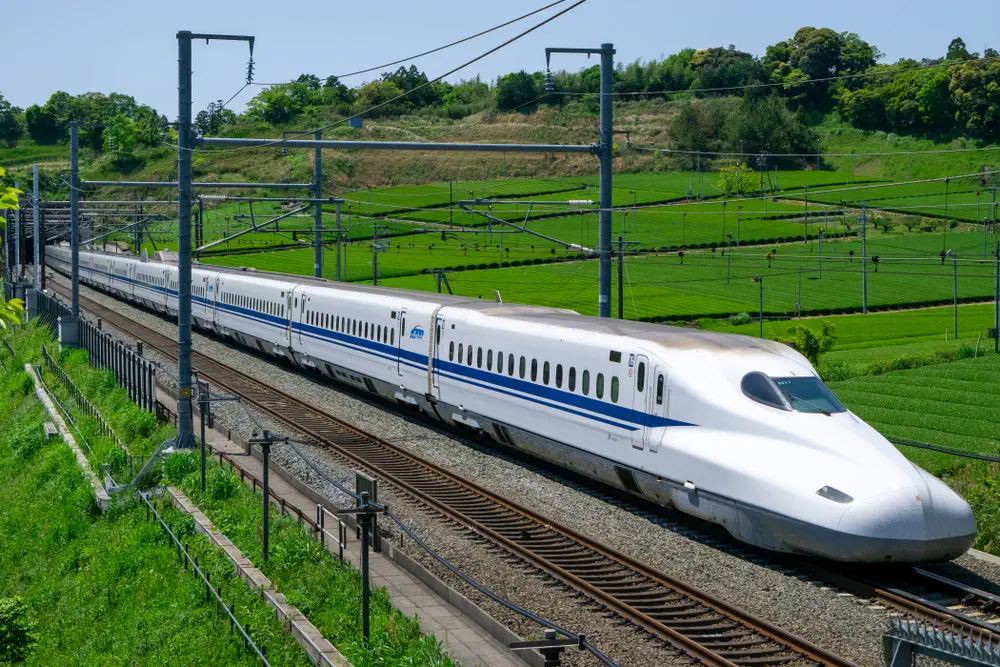
Japan’s Shinkansen (Bullet Train) network is an engineering marvel and the global gold standard for high-speed rail. Operated by the various regional JR companies (JR East, JR Central, etc.), it connects almost the entirety of the Japanese archipelago with mind-boggling punctuality, safety, and speeds reaching up to 320 km/h (200 mph).
For tourists and business travelers in 2026, the Shinkansen is not just a train; it is the definitive way to travel across Japan. However, following recent changes to the Japan Rail (JR) Pass and strict new luggage reservation rules, understanding how to ride the bullet train efficiently is more important than ever.
Shinkansen at a Glance
Onboard Experience: What to Expect
The Shinkansen is famous for its spotless cabins, quiet atmosphere, and smooth ride.
Ordinary Class (Reserved & Non-Reserved)
Ordinary class features comfortable, airline-style seating (usually in a 3-2 layout). Seats recline significantly and offer excellent legroom—often more than domestic US First Class flights. You can buy “Non-Reserved” tickets to sit in designated cars on a first-come, first-served basis, or pay slightly more for a guaranteed “Reserved” seat.
Green Car (First Class)
The Green Car is Japan’s equivalent of Business/First Class. Arranged in a 2-2 configuration, the seats are much wider, offer deeper recline, include footrests, and are located in quieter carriages.
Gran Class (Premium First Class)
Available on select routes (like the Tohoku and Hokuriku Shinkansen), Gran Class is the ultimate luxury. It features massive leather shell seats in a 1-2 configuration, a dedicated cabin attendant, complimentary bento box meals, and free-flowing premium beverages (including sake and wine).
Luggage Allowance & Policies
Major 2026 Warning: The Shinkansen has strictly enforced its oversized baggage rules. If your luggage is too large, you must make a free reservation in advance.
| SLuggage Size (Total Dimensions: L + W + H) | Policy | Cost |
| Under 160 cm (Standard Cabin Bags) | No reservation needed. Store in overhead racks. | Free |
| 160 cm to 250 cm (Large Suitcases) | Reservation Required. Must book a “Seat with an Oversized Baggage Area” at the very back of the carriage. | Free (If booked in advance) |
| Over 250 cm | Banned from the train. | N/A (Must use a luggage forwarding service like Yamato Transport) |
Penalty Fee: If you bring a 160cm–250cm bag onto the Tokaido, Sanyo, or Kyushu Shinkansen without a prior oversized baggage reservation, the conductor will charge you a ¥1,000 penalty fee and force you to move your bag to a designated storage area.
Customer Service & Reliability
Pros & Cons of Traveling on the Shinkansen
Pros:
Cons:
Have You Journeyed on Shinkansen?


Frequently Asked Questions (FAQs) About the Shinkansen
Do I need to reserve a seat for luggage on the Shinkansen?
Yes, if your suitcase’s total dimensions (length + width + height) are between 160 cm and 250 cm. You must select a “Seat with an Oversized Baggage Area” when buying your ticket. If your bag is under 160 cm, you can just bring it on and place it in the overhead rack.
Is there food on the Shinkansen?
In-seat trolley service has been discontinued on many major lines (like the Tokaido Shinkansen). Instead, passengers are heavily encouraged to buy Ekiben (bento boxes) and drinks at the station convenience stores before boarding.
What is the difference between Green Car and Ordinary Car?
Ordinary Car has a 3-2 seating layout and is standard economy. The Green Car is a premium upgrade with a 2-2 layout, offering wider seats, more legroom, quieter carriages, and fewer crowds.
Have You Traveled on the Shinkansen?
Your experience helps other travelers make informed decisions! Did you enjoy the luxury of the Green Car, or did you get caught out by the oversized baggage rules?
Disclaimer: All information, policies, and details presented on this page are gathered from publicly available resources and are subject to change. Please verify directly with the operator before booking.